


James Williams

James Williams has been fascinated by the intricacies of the English language since his childhood days. Holding a Master's degree in Linguistics from the University of Cambridge, he has spent over 15 years working as a professional editor and language consultant. James specializes in deciphering complex spelling and grammatical issues, and he is passionate about helping students and professionals alike gain confidence in their writing. His experience includes developing educational content for ESL learners, ensuring clarity and precision in communication. James is dedicated to providing readers with easy-to-follow guidance that resolves word confusions and common spelling errors, making WordlyRight an essential resource for anyone who needs quick, authoritative answers.

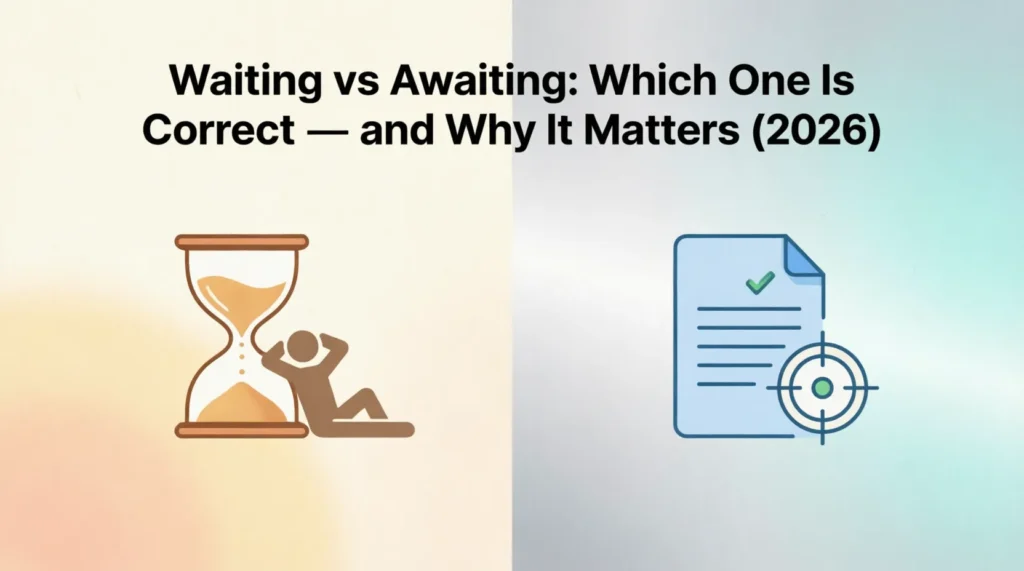
waiting vs awaiting

Waiting vs Awaiting: Which One Is Correct — and Why It Matters (2026)

9 min read In short, both waiting and awaiting are correct, but they are not interchangeable in all situations. “Waiting” is more casual and widely used, while “awaiting” is more formal and usually requires a direct object. Understanding this difference will instantly improve your writing clarity, and you’ll see exactly when each one fits as […]

Waiting vs Awaiting: Which One Is Correct — and Why It Matters (2026) Read More »

Spelling Corrections
lend vs lent

Lend vs Lent: Which One Is Correct — and Why It Matters (2026)

In short, “lend” is the base verb meaning to give something temporarily, while “lent” is its past tense form. The confusion in lend vs lent happens because both words are closely related but used in different time contexts. Once you understand the simple rule, you’ll never mix them up again and your writing will instantly

Lend vs Lent: Which One Is Correct — and Why It Matters (2026) Read More »

Spelling Corrections

unpure or impure

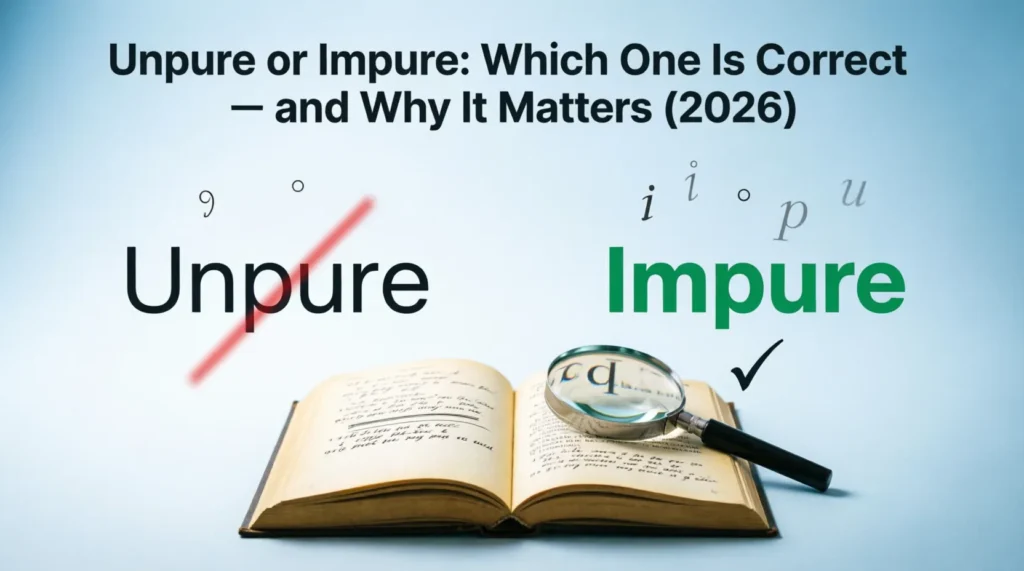
Unpure or Impure: Which One Is Correct — and Why It Matters (2026)

In short, “impure” is the correct and standard English word, while “unpure” is considered non-standard and is rarely used in modern writing. Both may be understood, but only “impure” is accepted in formal, academic, and professional contexts. Understanding this difference will help you avoid a very common writing mistake and sound more confident in your

Unpure or Impure: Which One Is Correct — and Why It Matters (2026) Read More »

Spelling Corrections
inquiries or queries

Inquiries or Queries: Which One Is Correct — and Why It Matters (2026)

In short, both “inquiries” and “queries” are correct, but they are not interchangeable in every situation. “Inquiries” usually refers to general questions or requests for information, while “queries” is often used in formal, technical, or data-related contexts. Understanding the difference in inquiries or queries will help you choose the right word with confidence in writing

Inquiries or Queries: Which One Is Correct — and Why It Matters (2026) Read More »

Spelling Corrections
piqued or peaked

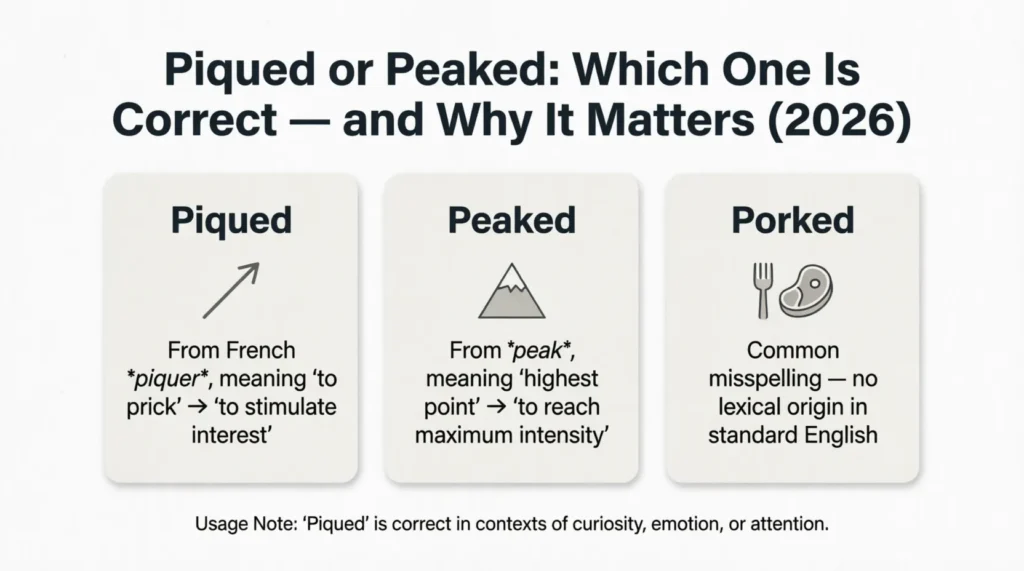
Piqued or Peaked: Which One Is Correct — and Why It Matters (2026)

In short, “piqued” is correct when you mean interest, curiosity, or emotion being triggered, while “peaked” refers to reaching the highest point of something or physical shape/height. These two words sound similar but mean completely different things, which is exactly why people confuse them. Once you understand the difference, you’ll never second-guess yourself again—and you’ll

Piqued or Peaked: Which One Is Correct — and Why It Matters (2026) Read More »

Spelling Corrections
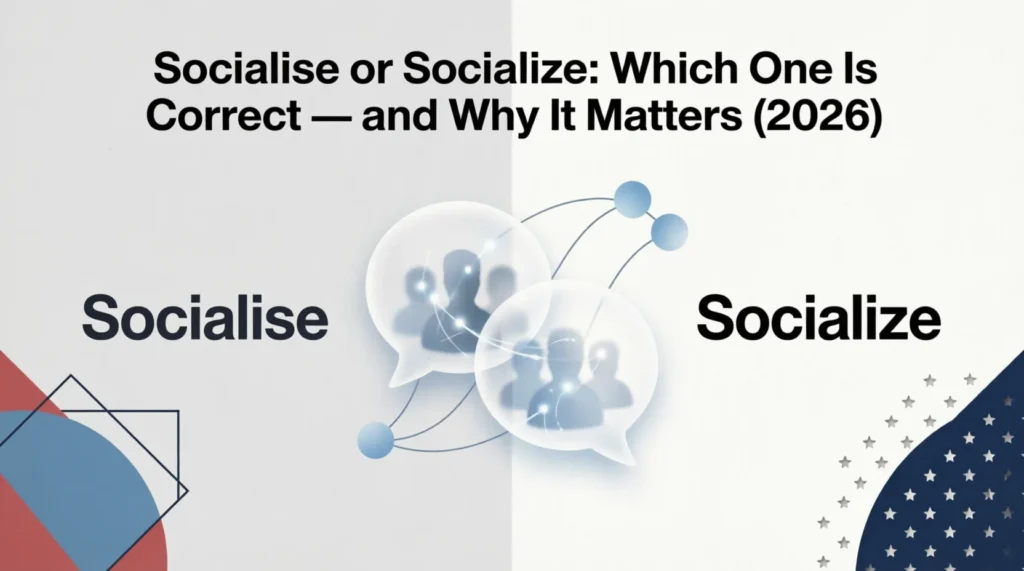
socialise or socialize

Socialise or Socialize: Which One Is Correct — and Why It Matters (2026)

In short, both “socialise” and “socialize” are correct — the difference comes down to regional spelling. “Socialise” is more common in British English, while “socialize” is standard in American English. Once you understand that distinction, choosing the right version becomes much easier in any kind of writing. The Confusion Around Socialise or Socialize You are

Socialise or Socialize: Which One Is Correct — and Why It Matters (2026) Read More »

Spelling Corrections
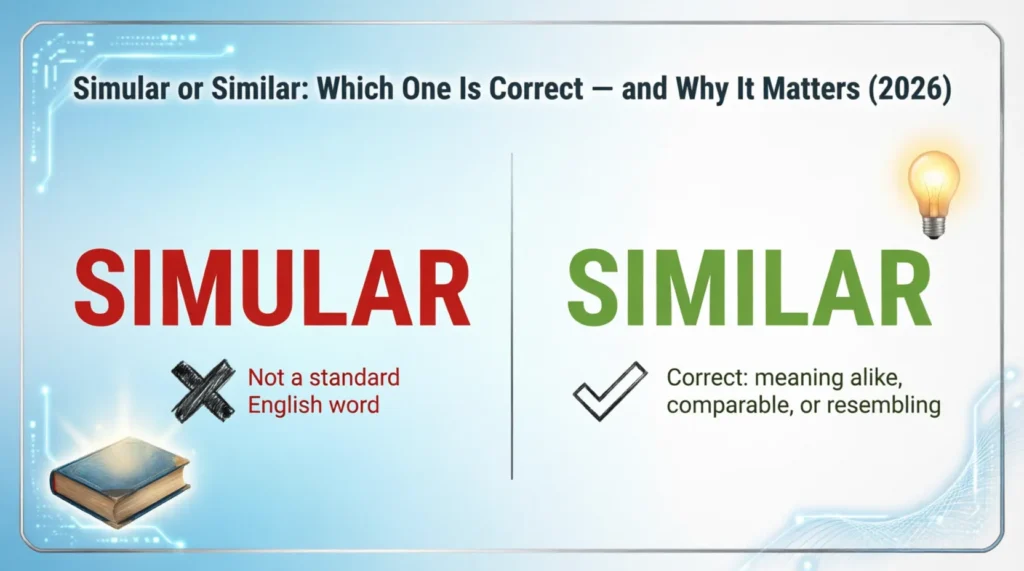
simular or similar

Simular or Similar: Which One Is Correct — and Why It Matters (2026)

In short, similar is the correct English word, while simular is considered a misspelling in standard English. Many people accidentally type or write simular because it sounds close to similar, but only similar is accepted in formal and everyday writing. Once you understand why the confusion happens, remembering the correct spelling becomes much easier. The

Simular or Similar: Which One Is Correct — and Why It Matters (2026) Read More »

Spelling Corrections
ether or either

Ether or Either: Which One Is Correct — and Why It Matters (2026)

In short, “either” is a common English word used to talk about choices or alternatives, while “ether” is a completely different word with scientific and technical meanings. The confusion around ether or either usually happens because the two words sound very similar in fast speech. Once you understand the difference in meaning and context, choosing

Ether or Either: Which One Is Correct — and Why It Matters (2026) Read More »

Spelling Corrections
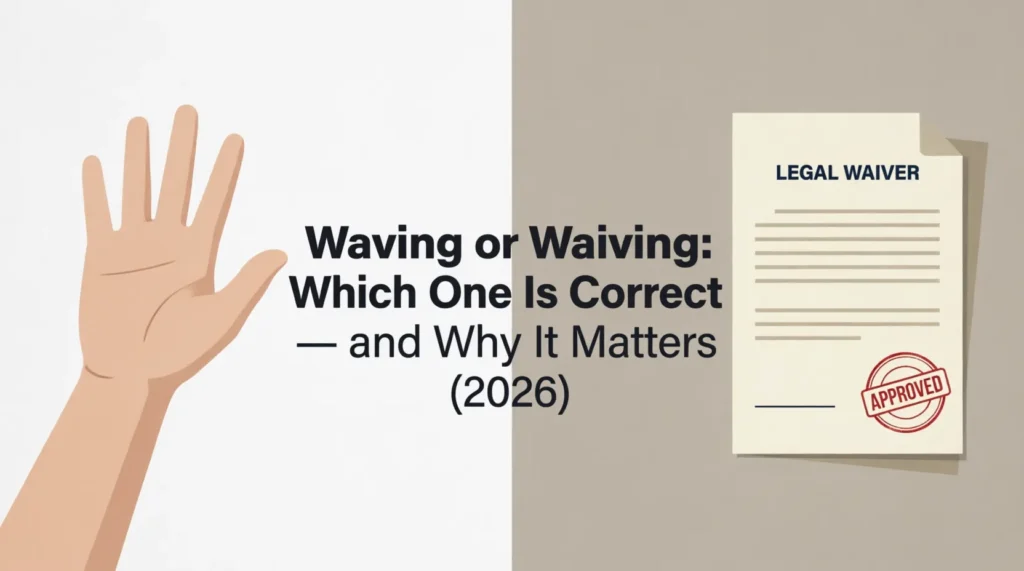
waving or waiving

Waving or Waiving: Which One Is Correct — and Why It Matters (2026)

In short, both “waving” and “waiving” are correct — but they mean completely different things. “Waving” usually relates to moving your hand or something flowing in motion, while “waiving” means officially giving up a right, rule, or requirement. Understanding the difference can save you from awkward mistakes in emails, essays, and professional writing. The Confusion

Waving or Waiving: Which One Is Correct — and Why It Matters (2026) Read More »

Spelling Corrections
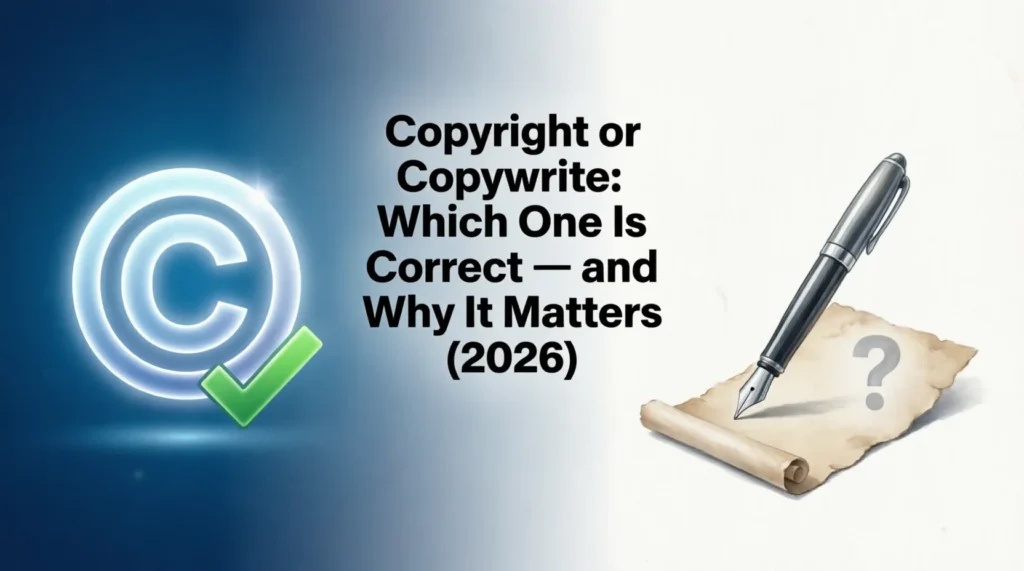
copyright or copywrite

Copyright or Copywrite: Which One Is Correct — and Why It Matters (2026)

In short, “copyright” is the correct term for legal ownership of creative work, while “copywrite” is commonly a misspelling or confusion with writing copy for advertising. Many people mix them up because they sound similar, but only one is legally and grammatically correct in most contexts. Understanding the difference will help you write with more

Copyright or Copywrite: Which One Is Correct — and Why It Matters (2026) Read More »

Spelling Corrections
Scroll to Top