

Spelling Corrections

Our Spelling Corrections section offers comprehensive solutions for identifying and correcting commonly misspelled words. With detailed articles tailored to the needs of students and professionals, you can enhance your spelling skills and ensure accuracy in your writing. Ideal for those in need of quick, definitive answers.

Flustered vs Flabbergasted: Which One Is Correct — and Why It Matters (2026)

“Flustered” and “flabbergasted” both describe strong emotional reactions, but they’re not interchangeable — one is about nervous confusion, the other about total shock. The Short Answer Flustered means agitated, nervous, or confused, usually from being rushed, embarrassed, or overwhelmed by small pressures. Flabbergasted means utterly astonished or shocked, usually by something unexpected and significant. Flustered

Flustered vs Flabbergasted: Which One Is Correct — and Why It Matters (2026) Read More »

Spelling Corrections

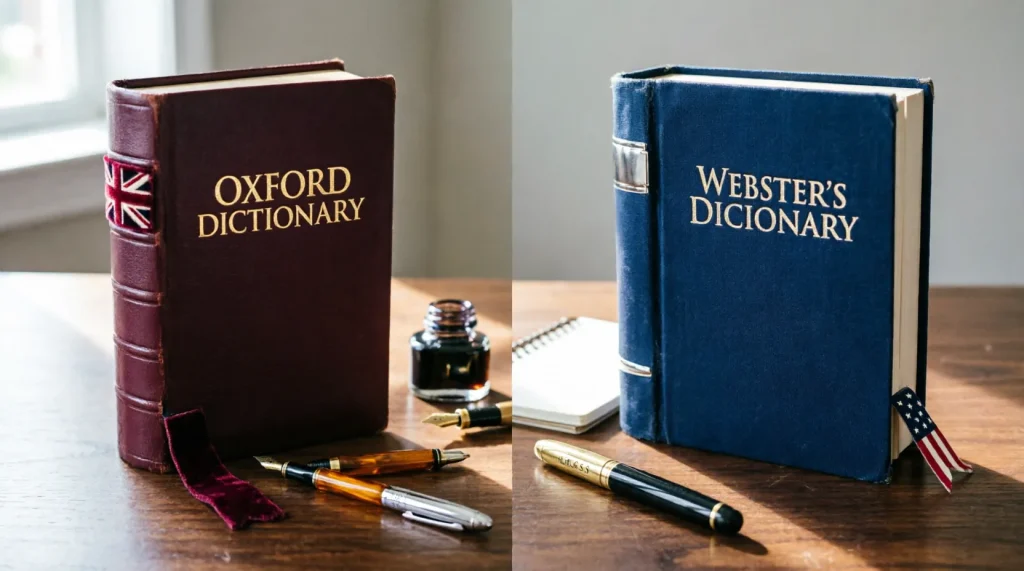
Farther vs Further: Which One Is Correct — and Why It Matters (2026)

“Farther” and “further” are two of the most commonly confused word pairs in English — and the distinction most people were taught (physical vs. figurative distance) is real, but the actual usage rules are looser than most grammar guides admit. The Short Answer Farther refers to physical, measurable distance: “The store is farther than I

Farther vs Further: Which One Is Correct — and Why It Matters (2026) Read More »

Spelling Corrections

Socialising or Socializing: UK vs US Spelling Explained

Socialising or Socializing: UK vs US Spelling Explained

In short, both spellings are correct: “socialising” is standard British English, and “socializing” is standard American English — pick based on your audience, not on which one “looks” more correct. The Regional Rule This word follows the same “-ise/-ize” pattern found across dozens of English verbs. American publishers, dictionaries, and style guides (AP, Chicago) standardize

Socialising or Socializing: UK vs US Spelling Explained Read More »

Spelling Corrections

Ingenuine Meaning: Is It a Real Word?

Ingenuine Meaning: Is It a Real Word?

In short, “ingenuine” is generally understood to mean “not genuine” or insincere, but it is not a standard dictionary word — most style guides recommend “disingenuous” or simply “not genuine” instead. Why “Ingenuine” Isn’t Standard English typically negates “genuine” with the established word “disingenuous,” which already carries the exact meaning people reach for when they

Ingenuine Meaning: Is It a Real Word? Read More »

Spelling Corrections
Ironically vs Unironically: What's the Difference?

Ironically vs Unironically: What’s the Difference?

In short, “ironically” signals that something is being said or done with irony (a gap between expectation and reality, or a knowing, sarcastic tone), while “unironically” signals the opposite — that something is being said completely sincerely, with no hidden or sarcastic layer. What “Ironically” Means “Ironically” points out a contrast between what was expected

Ironically vs Unironically: What’s the Difference? Read More »

Spelling Corrections
Incompleted or Uncompleted: The Better Word to Use

Incompleted or Uncompleted: The Better Word to Use

In short, between the two, “uncompleted” is more commonly seen in casual writing, but neither is the dictionary-preferred term — “incomplete” remains the standard, universally accepted word for describing something not finished. The Core Problem Both “incompleted” and “uncompleted” attempt to turn “complete” into a negative past-tense-style adjective, but English already has a dedicated word

Incompleted or Uncompleted: The Better Word to Use Read More »

Spelling Corrections
Socializing or Socialising: Which Spelling Is Correct?

Socializing or Socialising: Which Spelling Is Correct?

In short, both “socializing” and “socialising” are correct — the difference is purely regional: “socializing” with a “z” is standard American English, while “socialising” with an “s” is standard British, Australian, and generally Commonwealth English. The -ize vs -ise Pattern This split isn’t unique to “socialize” — it applies to an entire family of English

Socializing or Socialising: Which Spelling Is Correct? Read More »

Spelling Corrections
Uncompleted or Incompleted: Which Is Correct?

Uncompleted or Incompleted: Which Is Correct?

In short, strictly, neither “uncompleted” nor “incompleted” is considered fully standard by most style guides — the correct, widely accepted word is simply “incomplete,” and if you need a verb form, “not completed” is the safer phrasing. Why Both Forms Feel Wrong “Un-” and “in-” are both negative prefixes in English, which is exactly why

Uncompleted or Incompleted: Which Is Correct? Read More »

Spelling Corrections
Absense or Absence: The Correct Spelling

Absense or Absence: The Correct Spelling

In short, the correct spelling is “absence” — “absense” is a misspelling, caused by the same “-ense” vs “-ence” confusion that trips up words like “defense” and “license.” Why People Misspell It English has genuinely inconsistent rules around “-ance/-ence” and “-ense/-ence” endings, and because “defense” is spelled with an “s” in American English, it’s easy

Absense or Absence: The Correct Spelling Read More »

Spelling Corrections
Scroll to Top