

Spelling Corrections

Our Spelling Corrections section offers comprehensive solutions for identifying and correcting commonly misspelled words. With detailed articles tailored to the needs of students and professionals, you can enhance your spelling skills and ensure accuracy in your writing. Ideal for those in need of quick, definitive answers.

skepticism or scepticism

Skepticism or Scepticism: Which One Is Correct — and Why It Matters (2026)

In short, both skepticism and scepticism are correct spellings of the same idea, with “skepticism” preferred in American English and “scepticism” standard in British English. You can confidently use either depending on your audience, but understanding the difference helps you write more naturally and professionally in any context. The Confusion Around skepticism or scepticism You’re […]

Skepticism or Scepticism: Which One Is Correct — and Why It Matters (2026) Read More »

Spelling Corrections
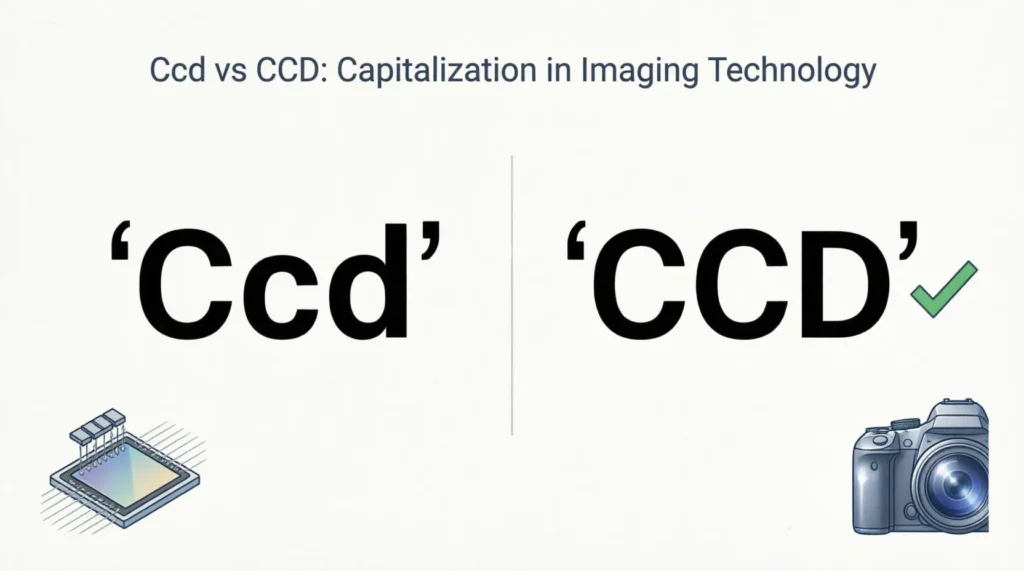
bicep or biceps

Bicep or Biceps: Which One Is Correct — and Why It Matters (2026)

In short, biceps is the correct standard term when referring to the muscle in your upper arm, while “bicep” is commonly used informally but is technically less accurate in formal writing. You’ll still see both in everyday conversation, but understanding the difference helps you write and speak more confidently in any context, especially when precision

Bicep or Biceps: Which One Is Correct — and Why It Matters (2026) Read More »

Spelling Corrections
skiddish or skittish

Skiddish or Skittish: Which One Is Correct — and Why It Matters (2026)

In short, the correct spelling is skittish, while “skiddish” is a common misspelling that appears due to how the word sounds when spoken quickly. People often assume there is a “d” in the middle, but standard English does not include it. Understanding this difference will help you avoid one of the most frequent spelling mistakes

Skiddish or Skittish: Which One Is Correct — and Why It Matters (2026) Read More »

Spelling Corrections
hierarchical vs hierarchal

Hierarchical vs Hierarchal: Which One Is Correct — and Why It Matters (2026)

In short, “hierarchical” is the standard and widely accepted form, while “hierarchal” is a much rarer variant that most style guides and writers avoid. In everyday writing, you will almost always want to use “hierarchical” in your work, emails, and academic tasks. Understanding the difference in hierarchical vs hierarchal will help you write with more

Hierarchical vs Hierarchal: Which One Is Correct — and Why It Matters (2026) Read More »

Spelling Corrections

temporarily or temporary

Temporarily Or Temporary: Which One Is Correct — and Why It Matters (2026)

In short, temporary is the correct adjective used to describe something lasting for a short time, while temporarily is the correct adverb used to describe how something happens for a short time. The confusion in temporarily or temporary comes from their similar spelling and meaning, but they serve different roles in a sentence. By the

Temporarily Or Temporary: Which One Is Correct — and Why It Matters (2026) Read More »

Spelling Corrections
annual or anual

Annual or Anual: Which One Is Correct — and Why It Matters (2026)

In short, “annual” is the correct spelling, while “anual” is a common misspelling that appears when people drop a letter by mistake. The correct word refers to something that happens once every year, like an annual report or annual subscription. Understanding this small difference will help you avoid one of the most frequent spelling errors

Annual or Anual: Which One Is Correct — and Why It Matters (2026) Read More »

Spelling Corrections
villain or villian

Villain or Villian: Which One Is Correct — and Why It Matters (2026)

In short, “villain” is the correct spelling, while “villian” is a common misspelling that appears when people rely on sound rather than spelling rules. The correct word refers to a bad or evil character in stories or real life behavior descriptions, and the misspelling should be avoided in all formal writing. Understanding this difference will

Villain or Villian: Which One Is Correct — and Why It Matters (2026) Read More »

Spelling Corrections
stary or starry

Stary Or Starry: Which One Is Correct — and Why It Matters (2026)

In short, starry is the correct English word when describing something full of stars, like a starry sky or starry night. Stary is generally considered a spelling mistake in English, though it may appear in names or other languages. Understanding the difference between stary or starry helps you write more confidently and avoid one of

Stary Or Starry: Which One Is Correct — and Why It Matters (2026) Read More »

Spelling Corrections
may as well vs might as well

May As Well vs Might As Well: Which One Is Correct — and Why It Matters (2026)

In short, both “may as well” and “might as well” are correct and widely used in English, with almost identical meanings. They both express that something is a reasonable or slightly better option when no strong alternatives exist, though “might as well” is more common in everyday speech. Keep reading to understand when each feels

May As Well vs Might As Well: Which One Is Correct — and Why It Matters (2026) Read More »

Spelling Corrections
labor day vs labour day

Labor Day vs Labour Day: Which One Is Correct — and Why It Matters (2026)

In short, both Labor Day and Labour Day are correct, but they are used in different varieties of English. “Labor Day” is the standard American spelling, while “Labour Day” is the standard spelling in countries that use British English, such as Canada, Australia, and New Zealand. Understanding the difference can help you write with confidence

Labor Day vs Labour Day: Which One Is Correct — and Why It Matters (2026) Read More »

Spelling Corrections
Scroll to Top