


Spelling Corrections

Our Spelling Corrections section offers comprehensive solutions for identifying and correcting commonly misspelled words. With detailed articles tailored to the needs of students and professionals, you can enhance your spelling skills and ensure accuracy in your writing. Ideal for those in need of quick, definitive answers.

package vs packet

Package vs Packet: Which One Is Correct — and Why It Matters (2026)

In short, “package” and “packet” are both correct words, but they are used in different contexts and cannot be freely swapped. A package is usually a larger wrapped item or shipment, while a packet refers to something smaller, often a single portion or pouch. Understanding this difference will instantly improve your writing clarity and confidence

Package vs Packet: Which One Is Correct — and Why It Matters (2026) Read More »

Spelling Corrections
anyway vs any way

Anyway vs Any Way: Which One Is Correct — and Why It Matters (2026)

10 min read In short, “anyway” is an adverb meaning “in any case” or “regardless,” while “any way” is a phrase meaning “any method or manner.” They are both correct, but they are used in completely different situations depending on what you want to say. Once you understand the difference, you’ll stop second-guessing yourself in

Anyway vs Any Way: Which One Is Correct — and Why It Matters (2026) Read More »

Spelling Corrections
favour or favor

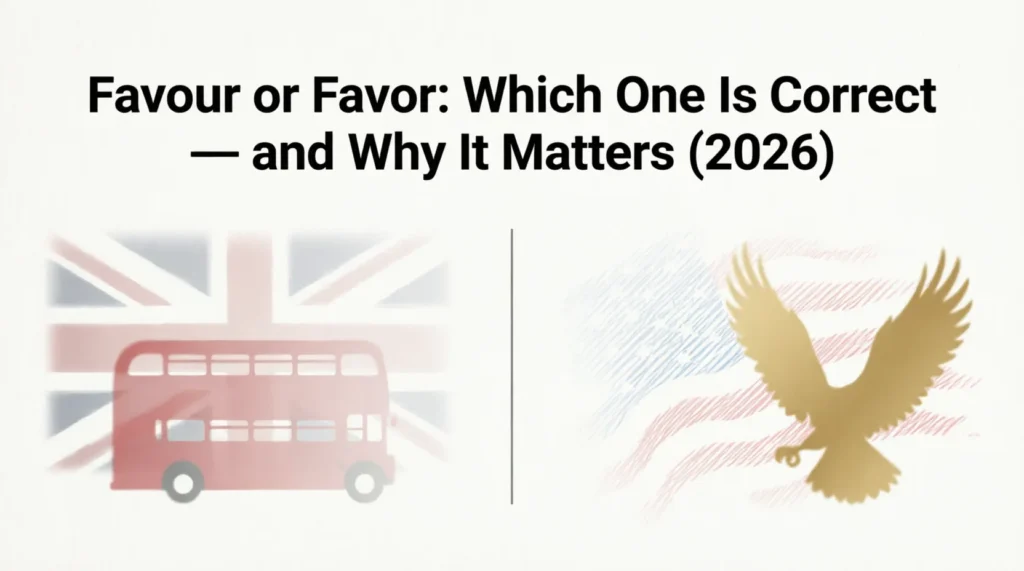
Favour or Favor: Which One Is Correct — and Why It Matters (2026)

In short, both “favour” and “favor” are correct, but they are used in different varieties of English. “Favour” is standard in British English, while “favor” is the American English spelling. The meaning stays the same in both cases, and the choice depends on your audience and writing style, so understanding this helps you write with

Favour or Favor: Which One Is Correct — and Why It Matters (2026) Read More »

Spelling Corrections
drily or dryly

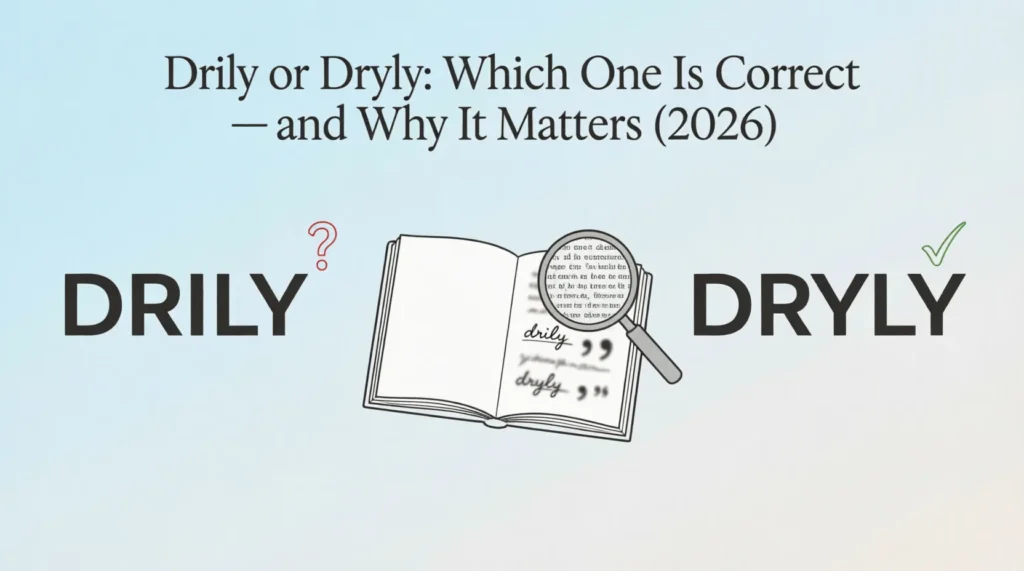
Drily or Dryly: Which One Is Correct — and Why It Matters (2026)

In short, both dryly and drily are accepted spellings of the adverb meaning “in a dry, ironic, or humorous way,” though dryly is far more common in modern usage. Some style guides prefer one over the other depending on tradition, but neither is strictly wrong. Understanding how drily or dryly works will help you choose

Drily or Dryly: Which One Is Correct — and Why It Matters (2026) Read More »

Spelling Corrections

divers vs diverse

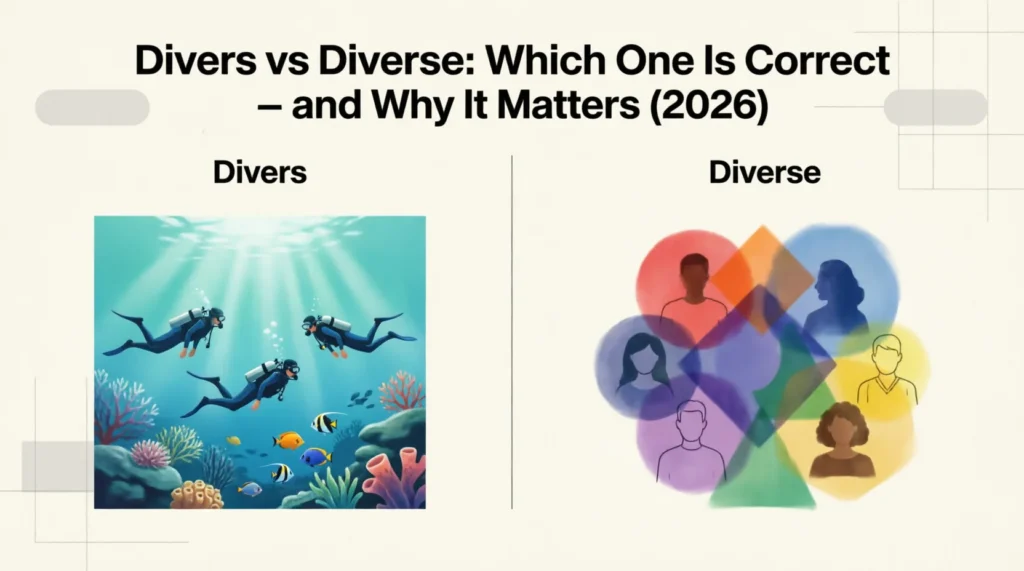
Divers vs Diverse: Which One Is Correct — and Why It Matters (2026)

In short, “diverse” is the correct English word, while “divers” is not standard English and is usually a misspelling or confusion with a different term like “divers (meaning scuba divers or varied people in older usage).” Most of the time, you should use “diverse” when describing variety or differences. Keep reading to understand exactly why

Divers vs Diverse: Which One Is Correct — and Why It Matters (2026) Read More »

Spelling Corrections
costumer vs customer

Costumer vs Customer: Which One Is Correct — and Why It Matters (2026)

In short, “customer” is the correct word when referring to someone who buys goods or services, while “costumer” refers to a person who designs or wears costumes. The confusion in costumer vs customer is extremely common because the words look and sound similar, but they have completely different meanings you should clearly understand going forward.

Costumer vs Customer: Which One Is Correct — and Why It Matters (2026) Read More »

Spelling Corrections
bases or basis

Bases or Basis: Which One Is Correct — and Why It Matters (2026)

9 min read In short, “basis” is the singular noun meaning a foundation or starting point, while “bases” is the plural form of “base” or refers to multiple foundations in specific contexts like math or chemistry. Many people mix them up because they look and sound similar, but their meanings are not interchangeable. Let’s break

Bases or Basis: Which One Is Correct — and Why It Matters (2026) Read More »

Spelling Corrections
wisp or whisp

Wisp or Whisp: Which One Is Correct — and Why It Matters (2026)

In short, “wisp” is the correct spelling, while “whisp” is generally considered a misspelling in modern English. The word “wisp” is used in everyday language to describe something thin, light, or small, like a strand of smoke or hair. Understanding this difference will help you avoid a common spelling mistake that shows up in writing

Wisp or Whisp: Which One Is Correct — and Why It Matters (2026) Read More »

Spelling Corrections
weighed vs weighted

Weighed vs Weighted: Which One Is Correct — and Why It Matters (2026)

In short, both weighed and weighted are correct, but they are not interchangeable. “Weighed” is used when you physically measure weight, while “weighted” is used when something is given extra importance or adjusted influence. Understanding this difference will instantly make your writing clearer and more accurate, especially in academic and professional contexts where precision really

Weighed vs Weighted: Which One Is Correct — and Why It Matters (2026) Read More »

Spelling Corrections
unresponsive vs nonresponsive

Unresponsive vs Nonresponsive: Which One Is Correct — and Why It Matters (2026)

9 min read In short, “unresponsive” is the standard and widely accepted word in modern English, while “nonresponsive” is mostly used in specific medical, legal, or technical contexts. Both can appear correct depending on the field, but in everyday writing you should almost always choose “unresponsive.” Understanding this difference will help you write more confidently

Unresponsive vs Nonresponsive: Which One Is Correct — and Why It Matters (2026) Read More »

Spelling Corrections
Scroll to Top